Pour · Wine scanner & cellar
A practical wine and food pairing guide
Begin with the sauce, richness, and heat of the meal. Then narrow the wine choice by style. Your own taste remains the deciding factor.
By Pour · Updated
How do I choose wine to pair with dinner?
Begin with the meal’s sauce, richness, sweetness, and spice level, then consider the wine’s style and your preferences. Give Pour-AI those details for suggestions, and record combinations you enjoyed. Verify ingredients and allergens yourself; a pairing suggestion is not an allergy assessment.
Describe dinner before choosing the bottle
Write a one-line description such as “roast chicken with cream sauce, no chilli” or “spicy noodles with a sweet glaze.” The same main ingredient can need a different approach when its sauce changes.
Three useful starting points
Refreshing acidity can balance a rich dish. Strong chilli heat can feel more intense alongside alcohol and tannin; a lower-alcohol, slightly sweet style can be a useful option. Sweet food can make a dry wine seem less fruity. Test these starting points at the table. See WSET’s food and wine matching guidance and its guide to pairing with spice for the underlying principles.
Ask a question with enough context
| Your decision | A useful prompt |
|---|---|
| Which bottle to open | “I have a light red and a dry white. Which style would you start with for mushroom pasta, and why?” |
| What to cook | “Suggest two simple vegetarian dinners for this wine. Keep ingredients easy to find.” |
| How to handle chilli | “The dish has strong chilli heat and a sweet sauce. What wine characteristics should I look for?” |
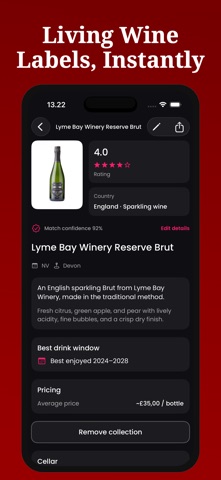
Use a bottle’s detail page in Pour
- Scan or search for the wine and confirm its identity.
- Review the food-pairing suggestions.
- Ask Pour-AI a follow-up with the ingredients, sauce, and spice level.
- After dinner, save your own short note about whether it worked.
Build your personal pairing reference
Record the meal, wine, and one thing you would change. “Worked with the sauce; try a lighter dish next time” is useful. Those observations become a reference for your preferences. The collection guide shows how to organize bottles and personal notes.
Check ingredients yourself
AI suggestions may be incomplete or incorrect. Verify ingredients and allergens with the label or producer; an assistant’s answer is not an allergy check. A wine description offers ideas but cannot predict everyone’s preferences.